Best Rivers and Estuaries for Fishing in NSW (2026 Expert Guide)
New South Wales’ Finest Estuary Fisheries
Few places in Australia offer the variety of estuary fishing found along the New South Wales coastline. Stretching more than 2,000 kilometres from the Queensland border to the Victorian state line, the coast is punctuated by dozens of river systems, coastal lakes and tidal estuaries, each with its own unique characteristics.
One morning you can be casting surface lures across a shallow flat for whiting. By afternoon you’re hopping soft plastics along a deep bank searching for mulloway. A few kilometres upstream, the water turns fresh and Australian bass begin smashing lures beneath overhanging gums. Very few fisheries offer such diversity within a single catchment.
That diversity is exactly what makes NSW estuary fishing so addictive.
Estuary systems constantly change, every tide redraws feeding zones. Floods reshape banks, create new snags and relocate bait. Water clarity rises and falls with rainfall, while seasonal migrations bring waves of prawns, mullet, whitebait and herring through the rivers, triggering different bite windows that experienced anglers learn to anticipate.
For lure fishers, these systems become puzzles to solve rather than places simply to wet a line. Consistent success depends less on luck than understanding current flow, bait movement, water temperature and fish behaviour. Two anglers can fish the same bank hours apart, yet one returns empty-handed while the other lands a metre mulloway because they recognised where the bait was preyed upon on a certain tide.
Choosing the best estuary in NSW therefore isn’t straightforward.
Some rivers consistently produce giant dusky flathead. Others are unrivalled for mulloway. Some offer extraordinary Australian bass fishing, while others excel because almost every cast has the potential to connect with a different species.
How We Ranked the Best Rivers and Estuaries in NSW
For this guide, the rankings aren’t based on popularity or reputation alone. Instead, they’re judged across seven criteria:
- Species diversity
- Trophy fish potential
- Year-round consistency
- Habitat quality
- Accessibility
- Scenic appeal
- Overall lure-fishing experience
Every ranking remains subjective—every angler has a favourite river shaped by memorable captures and personal experiences—but these five systems continually stand apart when assessed objectively.
After weighing all of those factors, these are the five best rivers and estuaries to fish in New South Wales in 2026.
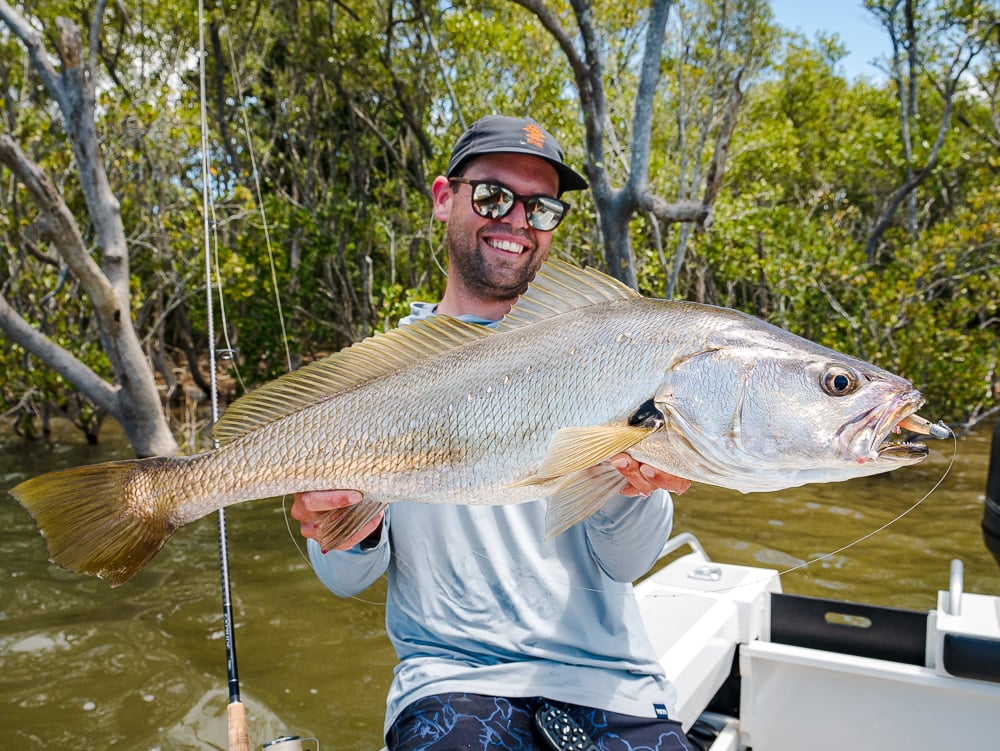
Above: Castaway Estuary Fishing Charters guide Patrick Linehan with a mulloway caught on a soft plastic.
1. Hastings River – Port Macquarie
Why the Hastings River Takes Top Honours
Selecting a number one river inevitably attracts debate, yet the Hastings River earns its position because it performs exceptionally well across every assessment criterion rather than dominating a single category.
Some rivers boast bigger mulloway. Others produce heavier bream and bass. Very few, however, consistently deliver trophy flathead, quality mulloway, large yellowfin bream, excellent whiting fishing and outstanding Australian bass within the same interconnected system.
That breadth is what separates the Hastings.
From the ocean entrance at Port Macquarie through Limeburners Creek, Maria River, Blackmans Point, Rawdon Island and well into the freshwater reaches, the river offers remarkable habitat diversity. Extensive sand flats, oyster leases, deep rock walls, bridge pylons, mangrove forests, weed beds, timber snags and freshwater pools all exist within a relatively compact catchment.
Each habitat supports different baitfish communities and consequently different predators.
Unlike many heavily developed estuaries, much of the Hastings still feels remarkably natural. Long stretches of river remain intact, birdlife is abundant and tidal wetlands continue to support healthy bait populations.
The result is a fishery that remains productive throughout the year.
River Character
Like all rivers, the Hastings never fishes exactly the same way twice.
Autumn often revolves around mullet schools and mulloway. Winter produces outstanding bream opportunities. Spring signals increasing flathead and bass activity as water temperatures climb, while summer sees prawns, herring and juvenile baitfish spread across the system bringing predators with them.
Few rivers reward anglers willing to adapt quite like the Hastings.
Best Species
- Dusky flathead
- Mulloway
- Yellowfin bream
- Whiting
- Australian bass
- Tailor
- Trevally (seasonally)
Best Lure Techniques
Soft plastics remain the most versatile option across the Hastings. Paddle tails and jerk shads account for everything from trophy flathead to mulloway and oversized bream depending on jighead weight and presentation.
Hardbody minnows excel in shallower water, oyster lease structure and timber, particularly when tied on at the right times.
Surface lures dominate summer sessions across the flats, while blades and vibes become indispensable during winter when bream and mulloway concentrate in deeper holes.
Upstream, all manner of subsurface and surface lures produce exceptional Australian bass fishing around fallen timber during low-light periods.
Best Time to Fish
Although productive year-round, autumn through early winter arguably provides the river’s greatest diversity. With stable water temperatures and an explosion of whitebait and garfish, mulloway become increasingly active and large flathead continue feeding aggressively before winter.
Who It Suits
The Hastings genuinely caters for everyone—from first-time lure anglers through to experienced tournament competitors. Safe launching facilities, sheltered water, countless access points and extraordinary species diversity make it difficult to find another NSW estuary offering such complete fishing.
Read more on the Hastings River here.
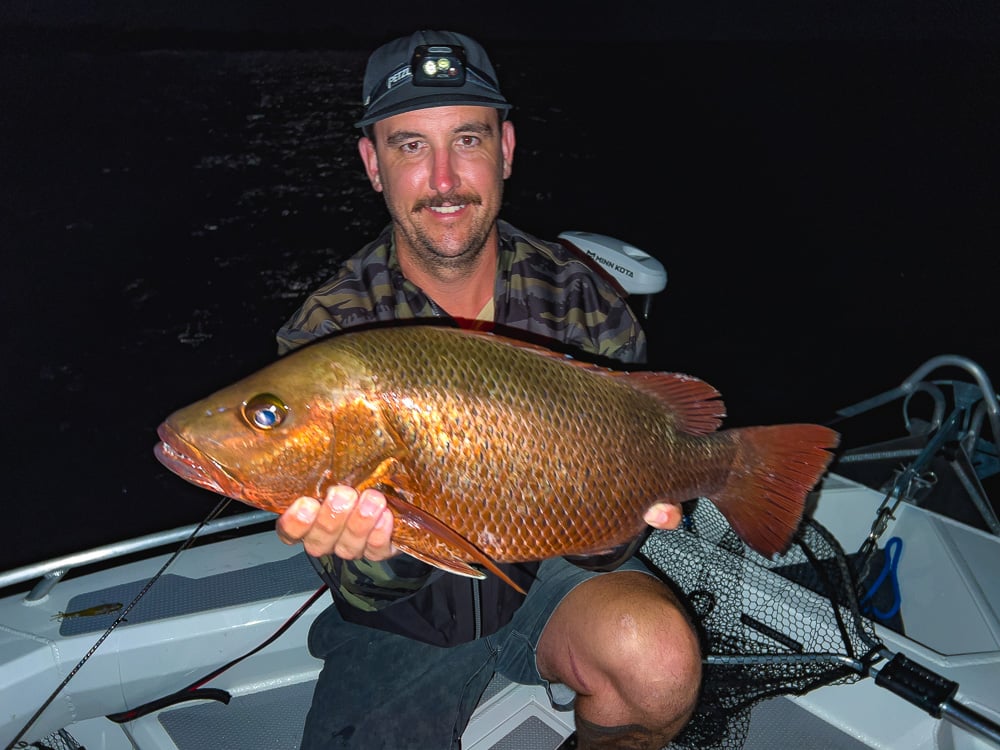
Above: A 60cm Clarence River mangrove jack caught on a soft vibe.
2. Clarence River – Yamba
If size alone determined these rankings, the Clarence River might occupy first place.
As Australia’s largest east coast river system by discharge, the Clarence offers an astonishing network of channels, islands, tributaries and floodplains extending well beyond Yamba and Iluka.
The sheer scale creates incredible habitat diversity.
Deep channels exceeding 15 metres support enormous mulloway, while expansive rock walls attract tailor, mangrove jack and even the odd bigger pelagic. Countless feeder creeks hold quality flathead and bream, and upstream freshwater reaches provide outstanding bass fishing.
Where the Clarence falls marginally behind the Hastings is consistency for everyday anglers.
Its size can overwhelm visitors. Water quality varies enormously following rainfall, fish often spread across huge areas, and locating productive water requires considerably more local knowledge.
Those who invest the time, however, are rewarded with one of Australia’s great estuary fisheries.
Best Species
- Mulloway
- Dusky flathead
- Yellowfin bream
- Australian bass
- Whiting
- Tailor
- Trevally and mangrove jack (seasonally)
Best Techniques
Large soft plastics and hardbodies dominate mulloway fishing around the walls.
Smaller soft plastics excel in shallower water and along edges, while surface lures become highly effective over the flats areas during warmer months.
Upstream, spinnerbaits, hardbody cranks and surface walkers remain the benchmark bass presentations.
Best Time to Fish
Autumn through winter produces exceptional mulloway and bream fishing, while spring and summer offer outstanding flathead, whiting and bass (further upstream) opportunities.
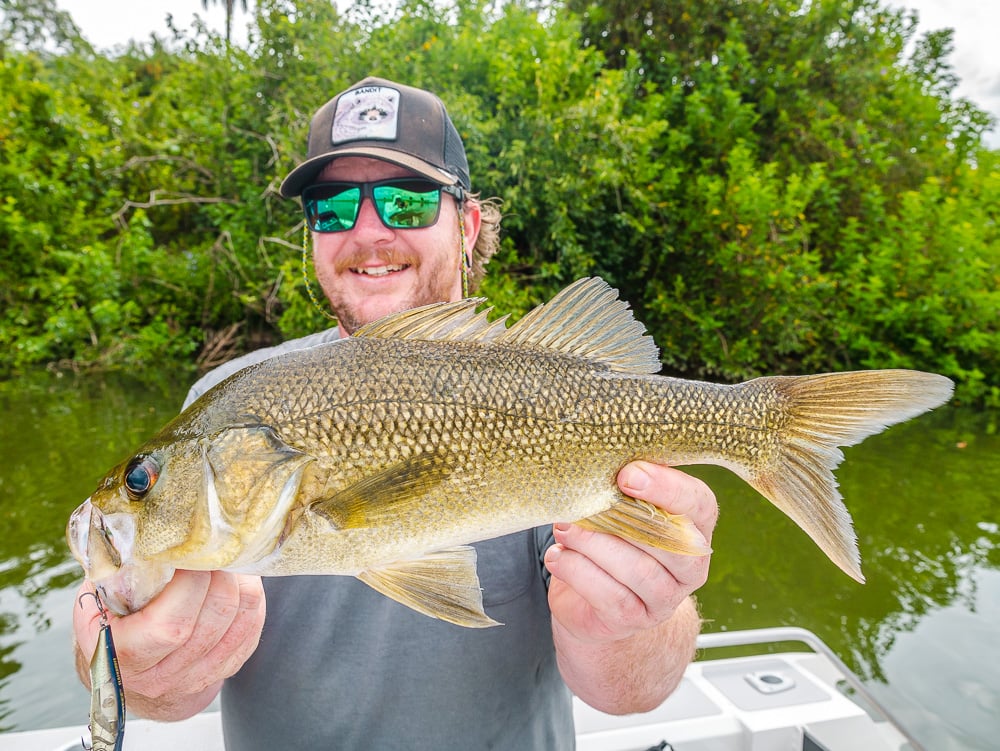
Above: A thumping Macleay River Australian bass caught on a popper.
3. Macleay River – South West Rocks
The Macleay somehow remains underrated despite producing exceptional fishing across almost every season.
Its greatest strength lies in balance.
Unlike larger systems that can become difficult following heavy rain, the Macleay often clears relatively quickly thanks to its ocean entrance at South West Rocks and a large tidal exchange.
The lower estuary around South West Rocks offers classic lure fishing structure—rock walls, oyster leases, weed beds and deep channels—while upstream reaches transition into superb bass country.
Large dusky flathead have become increasingly common, metre plus mulloway remain a realistic target and some respectable bream inhabit almost every shoreline.
Perhaps the Macleay’s greatest appeal is accessibility.
Anglers can comfortably fish multiple habitats within a single session without spending excessive time travelling. We quite often fish for flathead and mulloway in the salt and bass further upstream in the fresh on the same day.
Best Species
- Dusky flathead
- Mulloway
- Yellowfin bream
- Australian bass
- Whiting
- Trevally
Best Techniques
Soft plastics dominate most situations.
Vibes become particularly effective through deeper holes in autumn and winter, while surface lures shine over shallow flats from late spring onwards.
Spinnerbaits and surface lures remain highly effective for bass upstream.
Best Time to Fish
Spring through autumn offers exceptional diversity, although winter continues producing excellent bream and mulloway fishing.
Read more on the Macleay River here.
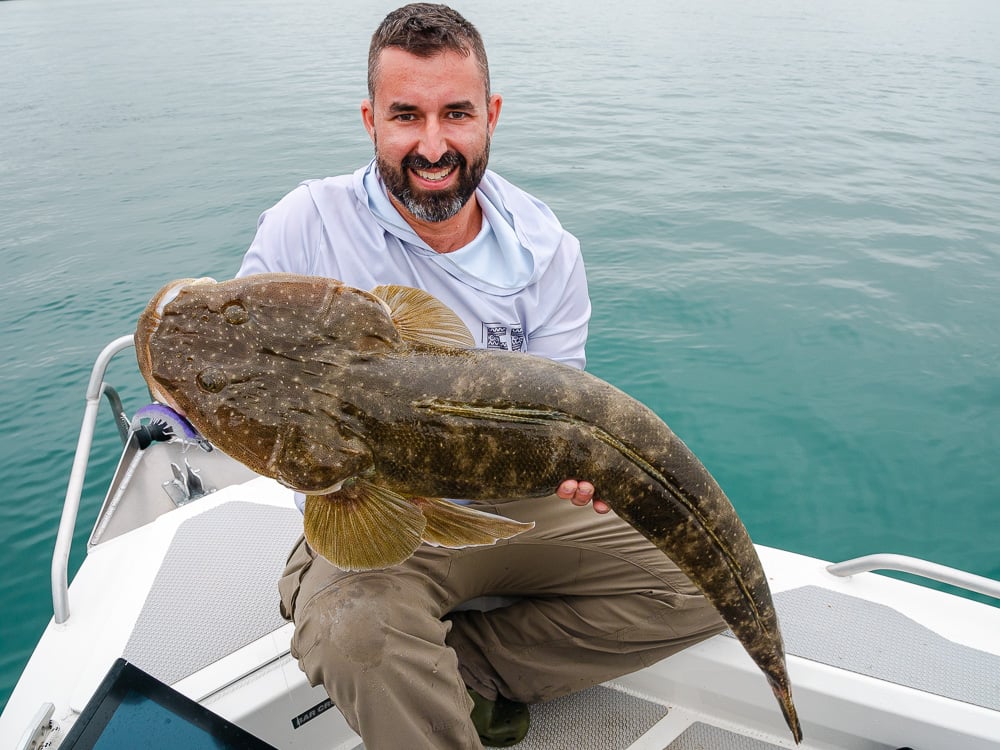
Above: A trophy-size 95cm dusky flathead caught on a soft plastic.
4. Manning River – Harrington
The Manning is one of NSW’s most enjoyable rivers to simply spend time exploring.
Its maze of side creeks, mangrove-lined banks and extensive oyster leases creates endless options for lure anglers prepared to cover water.
While it may not consistently produce the sheer number of trophy fish seen in the Hastings or Clarence, it offers remarkable reliability across multiple species.
Large flathead patrol edges and flats throughout the warmer months.
Quality bream thrive around walls and oyster infrastructure.
Mulloway regularly appear beneath bridges and deeper bends, while upstream bass fishing remains excellent.
The Manning particularly rewards anglers who understand tidal movement.
Small tributaries that appear lifeless on high tide often transform into fishy areas as bait drains from during the run out.
Best Species
- Dusky flathead
- Mulloway
- Australian bass
- Yellowfin bream
- Whiting
Best Techniques
Soft plastics account for most species, although shallow-diving hardbodies remain deadly around the oyster leases and flats.
Surface presentations excel across the flats on windy summer days.
Blades and soft vibes prove particularly effective on winter flathead and bream.
Best Time to Fish
Summer through to autumn delivers outstanding mixed-species fishing, particularly around prawn runs.
Read more on the Manning River here.
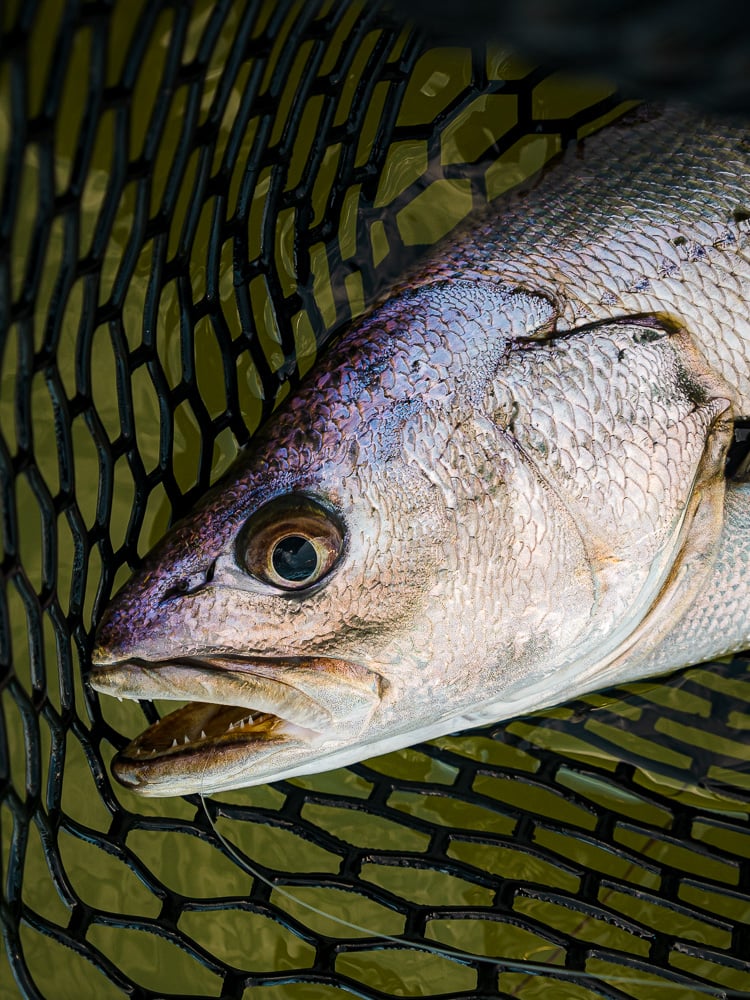
Above: Mulloway are an enigmatic and highly-prized sportfish.
5. Hawkesbury River – Sydney
Ranking fifth should never be mistaken for average.
The Hawkesbury remains one of Australia’s truly iconic estuary systems.
Its immense network of sandstone bays, flooded river valleys and deep tidal channels supports extraordinary fish populations despite enormous fishing pressure.
The river’s trophy potential remains unquestioned.
Large mulloway, kingfish, flathead, bream and estuary perch all inhabit the system.
However, heavy commercial fishing, recreational boating activity and intense recreational angling pressure reduce overall consistency compared with the higher-ranked rivers.
Success often demands careful timing and fishing outside peak boating periods.
Experienced anglers can thrive in the Hawkesbury.
Beginners frequently find it challenging.
Best Species
- Mulloway
- Flathead
- Bream
- Kingfish (lower reaches)
- Estuary perch
Best Techniques
Soft plastics and vibration lures dominate deeper channels.
Hardbody crankbaits excel along rocky shorelines for bream.
Surface lures produce exciting whiting, bream and EP fishing during summer.
Best Time to Fish
Autumn and winter remain outstanding for mulloway, bream and EPs while warmer months deliver decent flathead and surface fishing.
Final Thoughts
Trying to crown a single “best” estuary in New South Wales is a little like naming Australia’s best surf break. Every angler measures success differently. Some chase metre-long mulloway. Others would happily spend an entire day walking shallow flats casting surface lures to whiting, while bass enthusiasts might judge a river solely by the quality of its freshwater reaches.
That diversity of opinion is exactly what makes these rankings enjoyable to debate.
What becomes far more difficult to argue, however, is the quality of the five systems featured here. Each has earned a reputation over decades—not through marketing or mythology, but because they continue producing exceptional fishing year after year. Whether you’re exploring the vast channels of the Clarence, weaving through the oyster leases of the Manning, probing the deep on the Hawkesbury or working the banks of the Macleay, every one of these rivers is capable of delivering a session you’ll remember for years.
The Hastings River ultimately claims first place because it combines more strengths than any other NSW estuary. It isn’t simply about producing trophy fish—although it certainly does. It’s the combination of outstanding species diversity, reliable year-round fishing, varied habitat, excellent accessibility and an extraordinary lure fishing experience that elevates it above the rest. Very few rivers allow anglers to realistically target metre-class dusky flathead, quality mulloway, bream, whiting and Australian bass within the same connected system while maintaining such consistency.
Importantly, that doesn’t diminish the other four rivers. In the right conditions, any of them can out perform the Hastings on a given day. A trophy winter mulloway in the Hawkesbury, a spring bass bite in the Macleay, an autumn flathead session in the Manning or a perfectly timed summer session in the Clarence can produce fishing that rivals anywhere in Australia.
Perhaps that’s the real takeaway.
New South Wales is fortunate to possess an extraordinary collection of estuary fisheries, each shaped by different geography, tides and seasonal cycles. Rather than searching for one perfect river, the most rewarding approach is to experience several of them. Every system teaches something different about reading water, understanding fish behaviour and refining lure presentations.
And that endless opportunity to learn, adapt and discover is what keeps estuary anglers coming back, tide after tide, year after year.
Want to come fishing with us? Check charter rates and availability, read the FAQ, or enquire/book a charter.